August 13, 2026 |14 min read
Best Cat Litter for Cats with Asthma: Vet-Endorsed Low-Dust Picks

Written by




Watching your cat cough, wheeze, or struggle to catch their breath can be an unsettling experience, especially when the cause isn’t immediately obvious. One hidden trigger could be sitting right in their litter box.
Dust, artificial fragrances, and other airborne particles from certain litters may irritate sensitive airways and contribute to asthma flare-ups in some cats. Choosing the best litter for cats with asthma goes beyond controlling odor and making cleanup easier, and helps create a healthier environment that supports your kitty’s breathing every day.
This guide explains what to look for in asthma-friendly litter, compares common litter types, and shares practical tips to help you find a safer option that keeps your feline companion comfortable while reducing potential respiratory triggers.
Understanding Asthma in Cats and Why Litter Matters
If your cat has asthma, the litter box can either support their comfort or expose them to everyday respiratory irritants. Knowing how litter affects your cat’s airways makes it easier to choose a safer option and limit cat asthma triggers.
What Is Feline Asthma?
Feline asthma is a chronic condition that causes inflammation and narrowing of the airways. Allergens or irritants in the environment can trigger flare-ups, making it harder for affected cats to breathe. Common feline asthma symptoms include wheezing, coughing, rapid breathing, and occasional open-mouth breathing during severe episodes.
Common Irritants Found in Regular Cat Litter
Some litter ingredients release particles or scents that sensitive cats inhale every time they dig, bury waste, or leave the litter box.
-
Clay Dust: Fine particles from many clay litters can become airborne and may trigger asthma flare-ups.
-
Artificial Fragrances: Strong scents may irritate the airways while masking odors instead of eliminating them.
-
Silica Dust and Fine Particles: Some litter products may release fine particles that sensitive cats may breathe in.
-
Chemical Additives and Deodorizers: Certain additives can increase respiratory irritation in cats with existing airway sensitivity.
Because cats use the litter box several times a day, repeated exposure to cat litter dust can gradually increase respiratory stress.
Why Cats with Asthma Need Special Litter Care
Cats visit the litter box several times a day, making it one of their most frequent sources of exposure to airborne irritants. Choosing a low dust cat litter can reduce repeated exposure with continued use, while fragrance-free formulas limit additional respiratory triggers. Although litter won’t treat asthma, it can maintain a healthier daily environment for sensitive cats.
What Makes the Best Cat Litter for Cats with Asthma?
The best litter for cats with asthma prioritizes respiratory safety over price, scent, or odor control alone. Look for a litter with a minimal-irritant formula that limits airborne particles and minimizes exposure to airborne irritants each time your cat uses the litter box.[1][2][3]
Low Dust Performance
Dust is one of the most common cat asthma triggers, so even litter labeled “low tracking” can be a poor choice if it releases fine particles into the air. When comparing options, look for:
-
Labels that specifically mention low dust or dust-free.
-
Little to no visible dust when pouring a fresh bag.
-
Minimal powder left on your cat’s paws or around the litter box.
-
Firm clumps that stay intact during scooping, reducing airborne dust.
A cleaner pour and stable clumps generally mean fewer particles circulating in your home.
Fragrance-Free Formula
Artificial fragrances may irritate sensitive airways, even if they make the litter box smell fresher. Unscented litter with natural odor control is usually a better choice because it manages odors without adding unnecessary airborne chemicals. For cats with asthma, less exposure to potential irritants is often more important than a strong fragrance.
Gentle Materials
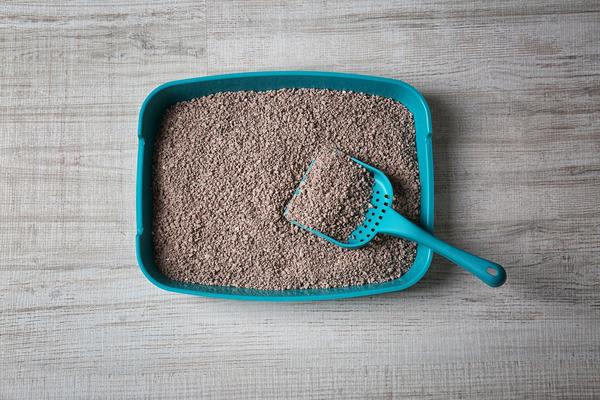
The litter material itself also affects dust levels and overall respiratory comfort. The table below compares common litter types, including how much dust they typically produce, how they perform for sensitive cats, and the type of household they suit best.
|
Material |
Typical Dust Level |
Respiratory Considerations |
Maintenance and Odor Control |
Good Fit For |
|
Clay |
Moderate to high |
Fine dust may irritate sensitive airways |
Good clumping; odor control varies |
Budget-conscious homes without respiratory concerns |
|
Crystal (Silica Gel) |
Low |
Produces less airborne dust than many clay litters |
Excellent moisture and odor control; lightweight |
Cats prone to asthma or respiratory irritation |
|
Plant-Based (Paper, Corn, Wheat, Walnut, etc.) |
Low to moderate* |
Depends on the formula and processing method |
Performance varies by material |
Cat parents seeking natural alternatives |
Some plant-based litters create more dust than others, so check product labels and reviews rather than assuming all natural litters perform the same.
Different cats can respond differently to litter, but choosing one that minimizes dust and fragrances can create a more comfortable litter box environment while supporting long-term respiratory health.
Vet-Endorsed Features to Look For in Asthma-Safe Litter
Veterinarians often recommend reducing your cat’s exposure to airborne irritants as part of managing asthma. When comparing products, focus on practical features that improve respiratory health rather than marketing claims or fragrances.
Use this checklist when shopping for the best cat litter for respiratory problems:
Look for low-dust claims. Choose litter labeled “low dust” or “99% dust-free” when supported by the manufacturer. Less airborne dust means fewer particles for your cat to inhale.
-
Choose fragrance-free formulas. Unscented litter avoids perfumes that can irritate sensitive airways while still controlling odors through the litter’s natural absorbency.
-
Consider lightweight litter. Many lightweight formulas are designed to minimize dust during pouring and scooping, helping limit dust kick-up around the litter box.
-
Check how it scoops. Litter that forms firm clumps stays together during cleaning, reducing agitation that can release fine particles into the air.
-
Read ingredient labels carefully. Simpler formulations with fewer additives, fragrances, and deodorizers may be a better fit for cats with respiratory sensitivities.
The goal is to reduce your cat’s daily respiratory burden so each litter box visit exposes them to fewer potential irritants.
Best Cat Litter for Cats with Asthma
The best litter depends on your cat’s sensitivity, your cleaning routine, and the features that matter most. Here are some options based on different needs.[4][5]
Lowest Dust Performance
For cats whose asthma is easily triggered by airborne particles, minimizing dust should be the top priority.
-
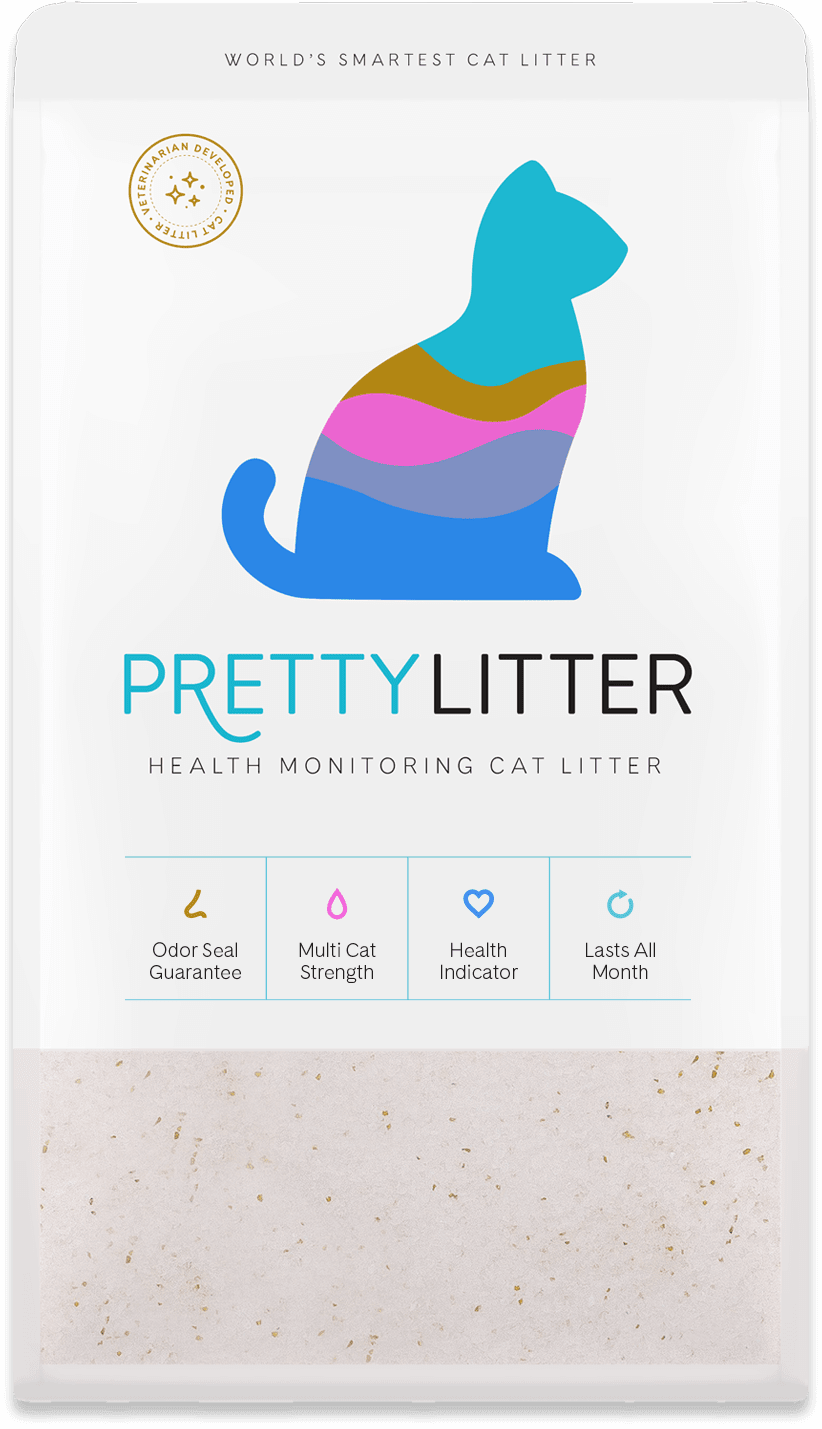
PrettyLitter Health Monitoring Cat Litter: A lightweight silica gel litter designed to produce very little dust during pouring, scooping, and digging. It also offers urine color monitoring.
-
Low-dust respiratory-friendly cat litter: Formulated specifically for cats with respiratory sensitivities, with a fragrance-free, low-dust formula intended to decrease airborne irritants.
-
Wood-based clumping cat litter: A wood-fiber litter that many cat parents choose as a lower-dust alternative to traditional clay, especially in homes with respiratory concerns.
Strong Odor Control Without Fragrance
For odor control without added perfumes, look for unscented formulas that absorb moisture instead of masking smells.
-
PrettyLitter Health Monitoring Cat Litter: Uses highly absorbent silica gel crystals to control odor without relying on added fragrance in its original unscented formula.
-
Unscented clumping cat litter: Combines strong clumping with reduced dust and effective odor management.
-
Plant-based fragrance-free cat litter: A plant-based option that naturally manages odors through absorbent wood fibers rather than perfumes.
Ease of Maintenance for Daily Use
A litter that’s easy to pour, scoop, and replace simplifies routine litter box maintenance and helps reduce disturbance of dust and litter particles during routine cleaning.
-
PrettyLitter Health Monitoring Cat Litter: Lightweight, low tracking, and designed for simple daily stirring instead of frequent clump removal, making routine maintenance easier for many households.
-
Clumping cat litter: Forms firm clumps that simplify scooping while helping minimize dust released during cleaning.
-
Lightweight wood-based cat litter: Creates solid clumps and is lightweight to handle, making it a practical choice for routine litter box maintenance.
Every cat responds to litter differently, so watch for changes in your cat’s breathing, comfort, and litter box habits after switching products, and consult your veterinarian if symptoms persist or worsen.
Common Mistakes Cat Parents Make with Asthma Cats
Choosing the right litter is only part of supporting a cat with asthma. A few everyday habits can still expose your kitty to unnecessary respiratory irritants. Small changes to your litter box routine can make a meaningful difference in the long run.[1][2]
Using Scented Litter for Better Odor Control
A fresh scent may seem like a good way to keep the litter box pleasant, but artificial fragrances can become airborne and irritate sensitive airways. Instead of relying on perfumes, choose an unscented litter that controls odor through absorbency and regular cleaning. Using an unscented litter reduces respiratory triggers without sacrificing freshness.
Sticking With Dusty Clay Litter Out of Habit or Cost Preference
Traditional clay litter is often affordable and familiar, but many formulas release fine dust when poured, scooped, or disturbed. If your cat has asthma, switching to the best dust free cat litter for asthma can help minimize daily exposure to airborne particles. Even a litter that seems only “slightly dusty” may contribute to repeated irritation with consistent exposure.
Letting the Litter Box Stay Dirty
Waste and broken litter particles can build up between cleanings, creating more dust and unpleasant odors each time your cat digs. Scoop at least once a day and replace litter as recommended to maintain a cleaner environment. If you’re trying to control litter box odor, keeping the litter box clean is one of the most effective places to start.
Switching Litter Too Quickly
Cats are creatures of habit, and a sudden change in litter texture or scent can lead to stress or litter box avoidance. Introduce a new litter gradually over several days so your cat has time to adjust while you monitor their breathing and comfort.
Overlooking Litter Box Ventilation
Even the best cat litter for respiratory problems performs better in a well-ventilated space. Place the litter box in an area with good airflow, but avoid positioning it near strong drafts, smoke, aerosol sprays, or scented products that could worsen respiratory irritation.
Managing feline asthma often involves improving daily routines rather than finding a single perfect solution. Small adjustments, from choosing a low-dust litter to cleaning more consistently, can add up to a healthier environment for your cat.
How to Transition Your Cat to Low-Dust Litter
Switching to the best litter for cats with asthma doesn’t have to happen overnight. A gradual transition helps your cat adjust to the new texture while giving you time to watch for improvements in their breathing and litter box habits.[6]
-
Start Small: Mix about 25% of the new litter with 75% of the current litter.
-
Increase Gradually: Over the next 5–10 days, slowly increase the amount of new litter while reducing the old one.
-
Watch Your Cat Closely: Look for changes in breathing, litter box use, or signs of avoidance.
-
Complete the Transition: Once your cat uses the new litter comfortably and shows no signs of stress, switch to the new litter completely.
When trying to switch cat litter, patience and consistency usually lead to the smoothest transition.
Final Thoughts: Choosing the Right Asthma-Safe Cat Litter
Choosing the right litter means reducing the small, everyday irritants that can affect your cat’s breathing over time. You may need to refine your litter choice over time rather than get it perfect on the first try. If your cat breathes more comfortably, uses the litter box confidently, and seems less bothered during daily routines, you’re moving in the right direction. Paying attention to these small signs can help you make informed decisions that support your cat’s long-term respiratory health.
Because every cat responds differently, introduce new litter gradually and pay attention to changes in their breathing, activity level, and litter box habits. The right choice is the one that keeps your cat comfortable while fitting your household’s routine. With a little observation and a willingness to adjust, even small changes can improve respiratory health and help your kitty breathe easier every day.

FAQs
What is the best litter for cats with asthma?
The best litter for cats with asthma is one that’s low dust, fragrance-free, and made with minimal respiratory irritants. The right choice varies by cat, so monitor your kitty’s breathing and litter box habits after switching.
Does cat litter dust make asthma worse?
Yes. Fine litter dust can become airborne when cats dig, cover waste, or when you scoop the litter box. In cats with asthma, these particles may irritate the airways and contribute to flare-ups or breathing discomfort.
Is silica litter safe for asthmatic cats?
Many silica gel litters are designed to produce less airborne dust than traditional clay litter, making them a suitable choice for many cats with asthma. Choose an unscented, low-dust formula and monitor your cat’s response after switching.
Should scented litter be avoided?
In most cases, yes. Artificial fragrances can irritate sensitive airways and may worsen respiratory symptoms in cats with asthma. Fragrance-free litter with natural odor control is generally a better choice for supporting everyday breathing comfort.
Source


