August 13, 2026 |12 min read
Silica Gel vs Clumping Clay Cat Litter: What You Need to Know Before Choosing

Written by




The litter you choose does more than fill the litter box. It affects how your home smells, how much dust ends up in the air, how often you scoop, and even how comfortable your cat feels using the box.
With so many options available, deciding between silica gel and clumping clay litter isn't always straightforward. Each works differently and comes with its own advantages and trade-offs. This guide compares silica gel vs clumping clay cat litter, looking at odor control, cleanup, dust, cost, and everyday use, so you can choose the option that best suits both your cat and your routine.
Understanding Silica Gel and Clumping Clay Cat Litter
Silica gel and clumping clay are two of the most common types of cat litter, but they work in different ways. The material they’re made from affects everything from odor control and cleanup to dust levels and how often you need to replace the litter. Knowing how each type performs in everyday use makes it easier to choose one that suits both your cat and your routine.
What Is Silica Gel Cat Litter?

Silica gel cat litter, often called crystal litter, is made from highly porous silica gel crystals. Instead of forming clumps, the crystals absorb urine and trap moisture inside tiny pores while allowing water to evaporate. This process helps control odors by reducing the moisture that odor-causing bacteria need to grow.
Because solid waste is scooped separately, the remaining crystals continue absorbing moisture until they become saturated. At that point, the entire box is emptied and replaced instead of being refreshed by removing urine clumps each day.
If you'd like to learn more about how crystal cat litter works, our guide explains the science behind silica crystals in greater detail.
Pros of Silica Gel Litter
-
Delivers excellent odor control by locking moisture away from the surface.
-
Produces very little dust, making it a cleaner option for many indoor homes.
-
Lasts longer than many traditional litters before needing a full replacement.
-
Lightweight crystals are easier to lift, pour, and carry.
Cons of Silica Gel Litter
-
Costs more upfront than many clay litters.
-
Some cats need time to adjust to the crystal texture.
-
Doesn't form clumps, so you won't see urine collected in one place during daily cleaning.
-
Requires replacing the entire litter once the crystals can no longer absorb moisture.
What Is Clumping Clay Cat Litter?

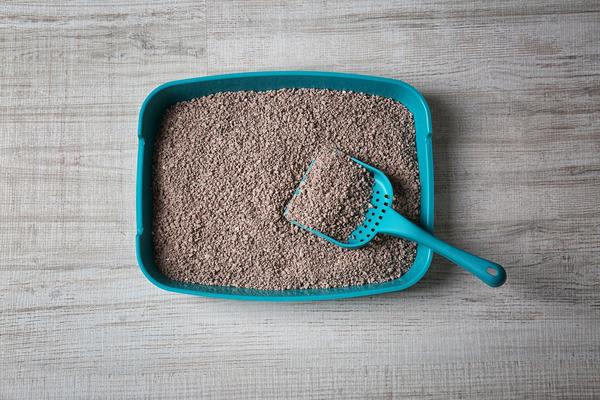
Clumping clay litter is usually made from bentonite clay, a material that quickly absorbs liquid and forms firm clumps around urine. These clumps can be scooped out each day, leaving the remaining litter in the box for continued use. Many cat parents prefer this routine because waste removal is visible and familiar, making it easy to keep the litter box clean between complete litter changes.
Pros of Clumping Clay Litter
-
Forms firm clumps that simplify daily scooping.
-
Absorbs moisture quickly, allowing waste to be removed soon after use.
-
Offers a soft, sand-like texture that many cats readily accept.
-
Widely available and generally costs less upfront.
Cons of Clumping Clay Litter
-
May release more dust during pouring and scooping.
-
Heavier bags can be more difficult to carry and refill.
-
Needs regular top-ups and more frequent full litter changes.
-
Fine particles may track outside the litter box more easily.
Both litter types can keep a litter box clean and comfortable when used correctly. The right option comes down to qualities that matter most to you, from odor control and dust reduction to cleanup style and your cat's preferences.
Silica Gel vs Clumping Clay Cat Litter
Silica gel and clumping clay litter both have distinct strengths. This side-by-side comparison highlights how they differ in everyday performance, helping you decide which works best for your home.
Factor |
Silica Gel Litter |
Clumping Clay Litter |
| Odor Control | Excellent moisture absorption helps control odors for longer. | Good odor control with regular scooping and maintenance. |
| Moisture Absorption | Absorbs urine into porous crystals without clumping. | Quickly absorbs urine and forms solid clumps. |
| Dust Level | Produces very little dust. | May create more dust during pouring and scooping. |
| Cleanup Effort | Scoop solid waste daily and replace the litter when saturated. | Scoop urine clumps and solid waste daily; top up and replace periodically. |
| Weight | Lightweight and easy to carry. | Heavier bags can be more difficult to lift and refill. |
| Longevity | Typically lasts longer before a full litter change. | Requires more frequent top-ups and complete replacements. |
| Cost | Higher upfront cost but lasts longer. | Lower upfront cost with ongoing replenishment. |
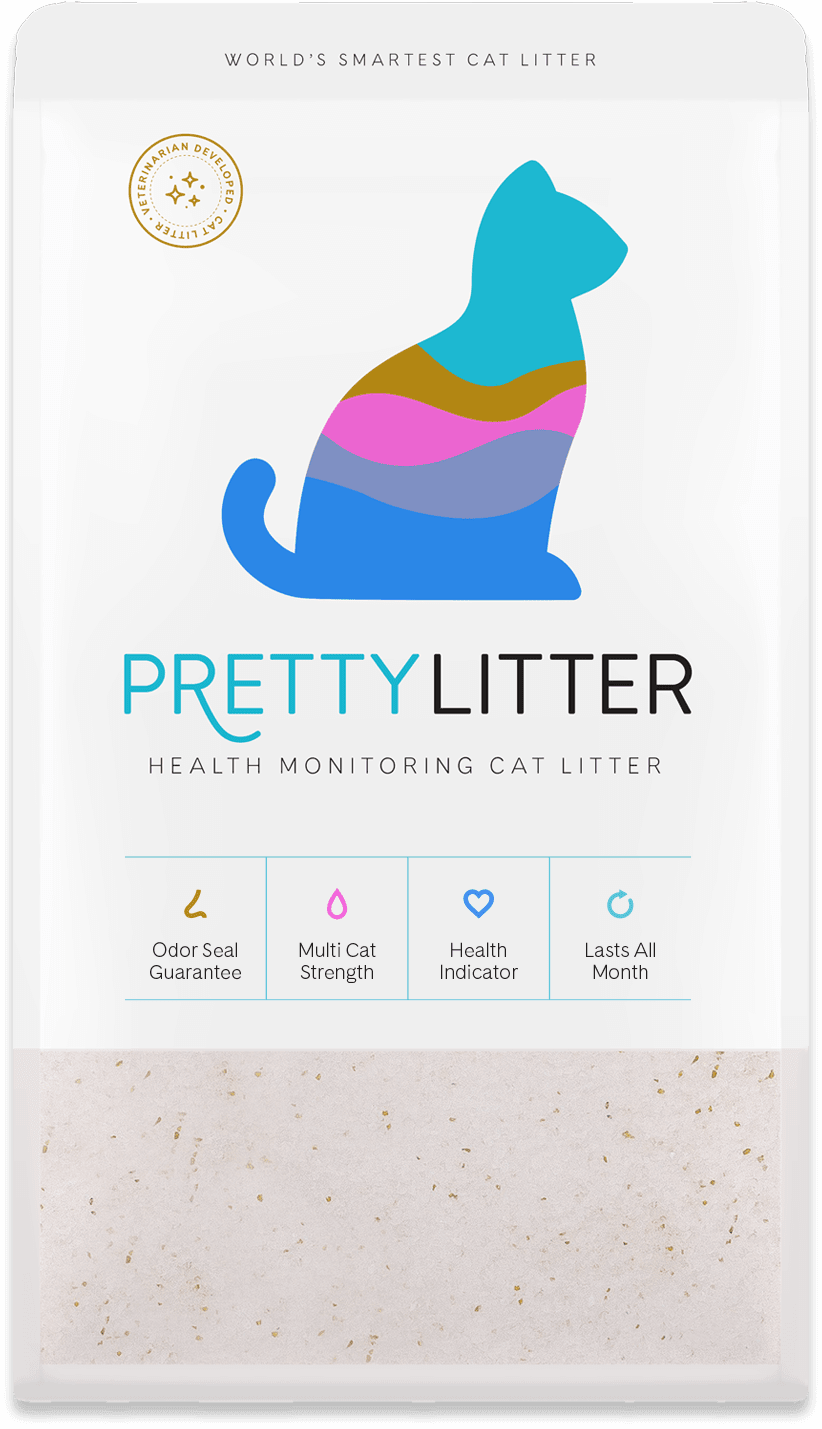
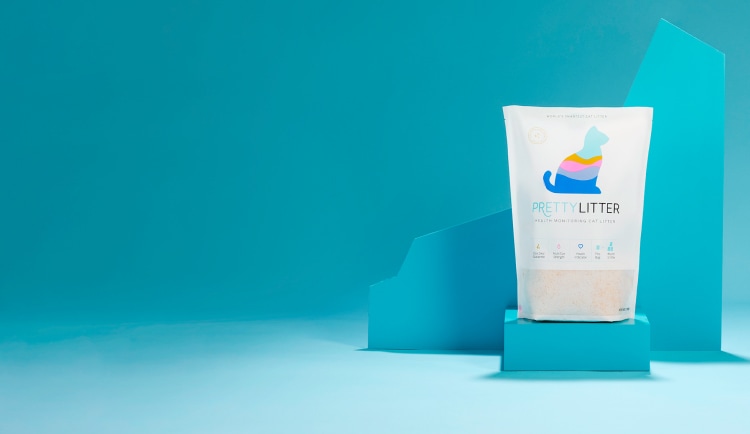
| Health Monitoring | Some silica litters, such as PrettyLitter, can change color to indicate changes in urine pH or the possible presence of blood. | No built-in health monitoring features. |
| Cat Preference | Some cats adjust quickly, while others need time to get used to the crystal texture. | Many cats are already familiar with its soft, sand-like texture. |
If you're deciding between the two, it's also worth exploring clumping vs non-clumping silica litter to see how different cleanup styles fit your household and your cat's preferences.
When to Use Silica Gel or Clumping Clay Litter?
The right litter depends as much on your cat's habits as the product itself. Start by thinking about how your cat uses the litter box and what fits your household routine.[1][2][3][4]
Silica Gel Cat Litter May Be a Better Fit For
-
Homes where odor tends to build up quickly, such as apartments or smaller living spaces.
-
Households that prefer less frequent litter changes instead of removing urine clumps every day.
-
Cats that are comfortable with crystal-style litter or generally adjust well to new litter textures.
-
Homes where reducing dust around the litter box is a priority.
Clumping Clay Cat Litter May Be a Better Fit For
-
Cats that prefer a soft, sand-like texture under their paws.
-
Cats already familiar with traditional clumping litter, making transitions easier.
-
Households that prefer a daily scooping routine to remove waste as it appears.
-
Cat parents who like seeing visible waste removal to keep the litter box looking consistently clean.
Consider Your Cat's Habits Before Choosing
Keep these habits in mind before introducing a new litter.
-
Multi-cat households: Choose a litter that can keep up with frequent use and makes maintenance manageable. If you're considering clumping litter with health-monitoring features, options like PrettyLitter combine easy scooping with daily urine monitoring.
-
Texture-sensitive cats: Introduce new litter gradually and watch how your cat responds before making a complete switch.
-
Routine-driven cats: Sudden changes can discourage litter box use, so keep transitions as consistent as possible.
-
Cats settling into a new home: Stick with a familiar litter until your cat has adjusted, then introduce a new option gradually if needed.
No matter which litter you choose, keeping the litter box clean and paying attention to your cat's comfort will have the biggest impact on their daily experience.
Find the Best Cat Litter: Silica Gel or Clumping Clay
Think about what matters most in your daily routine. Your answers to the questions below can help narrow the choice.[3][4]
Choose Silica Gel If
Choose silica gel litter if you answer yes to most of these questions:
-
Is odor control your biggest concern?
-
Would you rather replace litter less often than scoop urine clumps every day?
-
Is a lightweight litter easier to carry and pour?
-
Does reducing dust around the litter box matter in your home?
-
Are features like health monitoring a bonus you're interested in?
If odor control tops your list, learning more about managing cat urine odor can also help you choose the right litter for your home.
Choose Clumping Clay If
Choose clumping clay litter if these priorities sound more like you:
-
Do you prefer removing urine clumps every day?
-
Does your cat already use and enjoy traditional clay litter?
-
Is keeping the upfront purchase cost lower important?
-
Do you like seeing waste removed immediately rather than waiting for a full litter replacement?
-
Are you comfortable with regular scooping as part of your cleaning routine?
There's no universal winner between silica gel and clumping clay. The better choice is the one that fits your cat's preferences and the way you want to maintain the litter box.
Common Mistakes Cat Parents Make When Choosing Litter
Many litter problems start before the first scoop. Choosing based only on price or familiarity can leave both you and your cat dissatisfied. Keeping these common mistakes in mind can help you avoid unnecessary trial and error:[3]
-
Focusing Only on Price: A lower upfront cost doesn't always mean better value if the litter needs frequent replacement or falls short on odor control.
-
Overlooking Dust Levels: In indoor homes, low-dust litter can help keep the litter area cleaner and reduce airborne particles during pouring and scooping.
-
Using the Same Approach for Every Household: Multi-cat homes often need litter that can handle more frequent use and odor buildup.
-
Skipping Regular Maintenance: Even high-performing litter won't control odors or stay clean without consistent scooping or timely replacement.
-
Changing Litter Too Quickly: If you're switching litter types, make the change gradually so your cat has time to adjust to the new texture and routine.
Matching the litter to your cat's habits and maintaining it consistently often has a bigger impact than choosing the most expensive option.
Finding the Right Litter for Your Cat
Choosing between silica gel and clumping clay litter isn't about picking the better product. It's about finding the option that fits your cat's habits and your daily routine.
If you're still unsure, remember that your first choice doesn't have to be permanent. Many cats adjust well to a gradual transition, and observing how your cat responds can help you decide whether the litter is the right fit. A litter that keeps your cat comfortable, encourages consistent litter box use, and fits naturally into your cleaning routine is far more valuable than one chosen based on a single feature or price alone.
Give your cat time to adjust, watch how they respond, and don't be afraid to switch if the litter isn't a good fit. Finding the right option often takes a little experimentation.
FAQs
Is silica gel better than clumping clay?
Neither is universally better. Silica gel offers longer-lasting odor control, lower dust, and fewer full litter changes, while clumping clay provides easy daily scooping and a texture that many cats already prefer.
What are the main differences between clumping clay and silica gel cat litters?
Silica gel absorbs moisture into porous crystals and controls odors without forming clumps. Clumping clay absorbs urine and forms solid clumps that can be scooped daily, making cleanup more immediate and familiar.
Which type of cat litter, clumping clay or silica gel, is better for odor control?
Silica gel generally provides longer-lasting odor control because it absorbs moisture and traps odors within the crystals. Clumping clay also controls odors well but usually requires consistent daily scooping to maintain freshness.
How does the dust level compare between clumping clay and silica gel litters?
Silica gel litter typically produces less dust than clumping clay, making it a cleaner option for many homes. Some clumping clay litters may create more dust during pouring and scooping, depending on the product formulation.
Source
-
https://www.wired.com/story/what-type-of-cat-litter-should-you-use/
-
https://www.businessinsider.com/guides/pets/clumping-vs-non-clumping-litter


